
If you’re looking for real methods to uncover who owns a specific property by the address, then keep reading. This guide will help you understand everything you need to know about how to do that with the best tricks and tips.
It’s not a secret that identifying property ownership in the US is important for everyone, including people who want to identify their new neighbors, others who want to see the value of houses, investors, entrepreneurs, business owners, and professionals involved in the real estate market. Whether you are considering an investment, verifying the seller’s real identity before a transaction, or checking who owns a property for personal reasons, when you learn how to do that in real estate, it can make a significant difference.
Now, I will walk you through ten easy steps to effectively find out who owns a house, an apartment, or land in the US, from understanding public records to using cutting-edge GIS mapping tools and more.
How to find property owners?
The following methods are valid in 2026 for any search related to property owner history and records. Make sure you try them, and let me know your feedback in the comments section. However, always try to find the current owner of the property by combining multiple options if you can’t get the data because of availability or the last time of update.
Understanding property records
Property records are official documents maintained by US government offices that provide essential information about real estate ownership and transactions. So, these records typically include deed transfers, titles, descriptions, and any encumbrances, such as liens or mortgages. They serve as a historical record of ownership and are crucial for determining who legally owns a property.
The records are vital for verifying ownership, as they provide legal proof of ownership and can help avoid disputes. For investors, understanding these records can illuminate potential investment opportunities by revealing the real estate histories and any legal issues that might arise. Moreover, these records can help assess the value of a property, understand its zoning restrictions, and identify any existing obligations.
1. Using Ownerly
Ownerly is a powerful online platform designed to help streamline property ownership research. It provides access to thorough data, which can include details on distressed properties and ownership histories. This platform is particularly valuable for real estate investors looking to identify opportunities in the market quickly.
Using Ownerly can save time and provide information on property ownership, allowing investors and entrepreneurs to make more informed decisions. The platform aggregates data from various sources, making it easier to help track ownership changes and identify potential investment opportunities. Furthermore, it offers tools that can simplify the research process, making the identification of the person behind real estate more efficient.

2. Using title searches
The Internet can help you with more details about a home title search and more in the United States. But you need to use the right website and resources. Indeed, a title search is a thorough examination of property records to determine who owns a house or building. So, to conduct a title search, start by locating the house in question and gathering its legal description. You can then examine the records at the local county recorder’s office, or if available, online databases. It’s essential to track the house’s ownership history, including any transfers or liens that may affect its title. This is a good choice for property owners’ history and records.
Title search services can be found through various channels, including title companies, real estate attorneys, and online research platforms. Many title companies offer comprehensive services that include not only the title search but also title insurance, which protects against potential ownership disputes. Also, using a professional with experience can ensure accuracy and thoroughness in the search process, no matter if you’re in California or New York; they are everywhere across the US.
3. Analyzing deeds and property records
Understanding the different types of property deeds is essential. In fact, the common types include warranty deeds, which guarantee a clear title, and quitclaim deeds, which transfer any interest the seller may have without warranties. Each type carries different implications regarding ownership rights and potential liabilities, making it crucial to understand the deed type when researching to find out who bought a house, a commercial store, raw land, a residence, etc…
When analyzing the register of deeds or real estate titling, look for key elements such as the grantor (seller), the grantee (buyer), the legal description of the apartment, and signatures. Also, check for any conditions or restrictions placed on the assets. These elements can provide insight into the ownership details and any legal obligations associated with the apartment.
4. Exploring online databases
Nowadays, you can easily find the current owner of a property. Thanks to numerous online databases, like the Addressiko property search are more accessible and easy to use addresses. Websites like Zillow, Realtor.com, and county assessor websites often provide lots of information. While these platforms might not provide complete ownership data, they can give you an overview of recent sales, property characteristics, and tax assessments, which can be useful, especially when you want to check who owns an easement or other complicated cases.

When conducting your online deeds and property searches, use specific keywords related to the property, such as the full address, parcel number, or owner’s name. Utilize filters to narrow your search results. Keep in mind that while online databases are helpful, they may not always have the most current information, so it’s wise to cross-reference with official records.
5. Consulting a local tax assessor
The local tax assessor’s office is an invaluable resource for finding the information behind a building or any other type of property. They maintain records of ownership tied to tax assessments, making them a reliable source for identifying who is responsible for property taxes. Also, tax assessors often provide access to public records that can help clarify ownership details and home values. They are more experienced in this type of deed search by address, so you get help from the right people.
When consulting the tax assessor, request property tax records, which include ownership history, assessed values, and any exemptions. This information can provide clarity regarding the current ownership and any potential financial liabilities associated with the property. Additionally, ask about any pending assessments or disputes that could affect the ownership or real estate use.
6. Engaging real estate agents
Real estate agents have access to multiple listing services (MLS) that contain comprehensive data on property listings, including the name of the owner, their address, contact number etc… They can provide insights into the local market and may also have historical data on properties that can assist in verifying who bought that attractive cabin industrial you want to buy or rent.
When engaging a real estate agent, ask about their experience with property ownership searches, their access to databases, and how they typically gather the information. Inquire about any specific challenges they have encountered when identifying the owner, as this can help you understand potential hurdles in your own search.
7. Checking court records
Court records can provide essential information for different types of properties, including Condominiums, townhouses, etc… especially in the case of disputes, foreclosures, or bankruptcies. When a property is involved in legal action, the court records will reflect this, providing insight into ownership challenges or changes that may not be evident through standard property searches.
To access court records, visit the local courthouse or check their online database if available. Many courts maintain public records that detail legal proceedings related to real estate. Be aware that some records may require a formal request to access, and there may be associated fees.
8. Investigating ownership history
Understanding who owns a property with all its history is crucial for assessing potential risks and identifying any legal issues that may arise. Ownership history can reveal patterns of behavior, such as frequent resales or foreclosures, which could indicate underlying problems. It also provides essential context for the real estate’s current market value.
Ownership history can often be obtained through public records available at local government offices, online databases, or by hiring a title search service. Look for chain-of-title documents, which provide a detailed history of ownership transfers. Additionally, property deeds often include previous owners’ names, allowing you to trace the property’s lineage back through time.
9. Utilizing GIS mapping
Geographic Information System (GIS) mapping is a technology that allows users to visualize property locations and ownership boundaries on a map. This tool can help in understanding the land layouts and nearby features, making it easier to evaluate properties in relation to one another and to identify neighborhood trends.
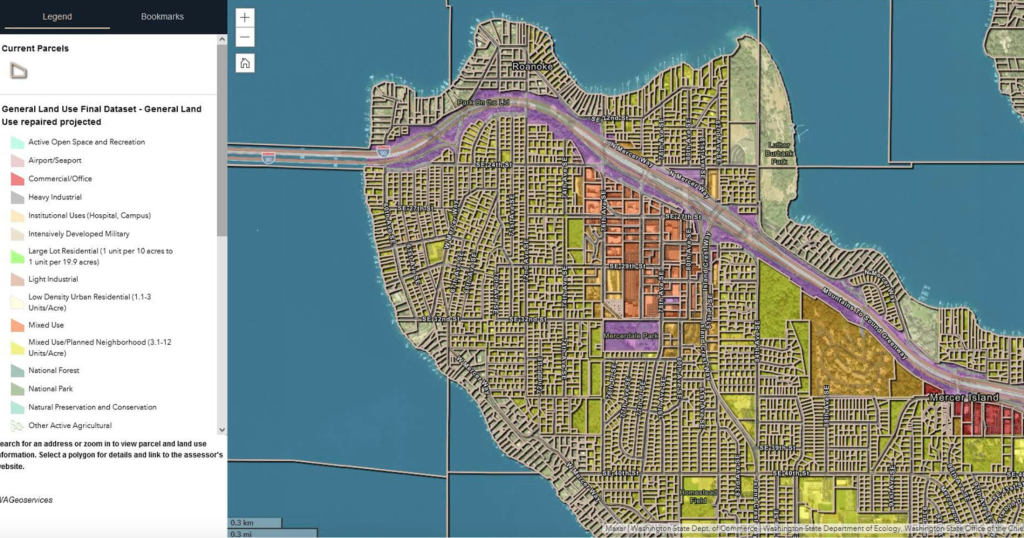
To utilize GIS mapping, access local government websites or GIS services that provide mapping tools. You can enter specific property information to view detailed maps that show ownership boundaries, nearby developments, and topographical details. This visual representation helps in assessing properties’ potential and their place within the community.
10. Networking with local investors
In 2026, you have many options to get the property values by address, but always try to build connections with local investors. The guys know more about the field than anyone else. Many of them have access and tools for their property ownership records online, so they can help.
Networking with local investors can provide insights and tips that may not be easily accessible through traditional research means. Experienced investors often have firsthand knowledge of local market trends, ownership issues, and effective strategies for identifying the real person behind a commercial property. This collaborative approach can lead to more robust research findings.
Connect with local investors through real estate investment groups, online forums, or social media platforms. Attend local real estate seminars and workshops to meet like-minded individuals. Building relationships with other investors can lead to valuable exchanges of information and access to shared resources that enhance your property ownership research efforts.
Conclusion
As you can see, the property information search is not that complicated if you follow my tips and guide. So, to know who the real person is who owns a property, follow these ten easy steps that can simplify the process. You can always use Addressiko if you need to find the property owner online for free. Other options can also help depending on your needs.
Now, remember that diligence and patience are key. Using these resources and strategies can help you find the property owner’s name and get a better understanding of the values, history, etc. Whether you are an experienced investor, a neighbor, or a newcomer, when you understand these tips and methods, you’ll enhance your ability to know your neighborhood more and evaluate the real estate market effectively.
FAQs about property search
What is the best way to start a property ownership search?
The best way to start is by checking public records at the local county recorder’s office or online databases that provide access to real estate ownership information.
How can I verify a home owner’s identity?
You can verify the owner’s identity by conducting a title search or checking property tax records through the local tax assessor’s office.
Are online search databases reliable?
While online databases can provide valuable information through the address, they may not always be current or complete. It’s advisable to cross-reference online data with official records for accuracy.
What types of property deeds should I be aware of?
Be aware of warranty deeds, quitclaim deeds, and special warranty deeds, as each type has different implications for ownership rights and liabilities.
How can GIS mapping benefit my research?
GIS mapping allows you to visualize the land ownership boundaries and surrounding features on a map, which can help you assess properties and understand community dynamics better.
