
You may be trying to see what properties your friends, neighbors, or even partners own for various reasons, including curiosity, real estate investments, or simply to understand your community better. Fortunately, there are numerous ways to unearth this information without being intrusive. In this article, we’ll explore ten easy methods to help you find out what properties those around you may possess in the US, while also ensuring that the process remains respectful and legal.
Use these search tools and type the name of the person you’d like to search for their properties. Next, find the details quickly in the US. You can also search by home address; however, the full name can provide you with a complete background search that can include properties, contact numbers, social profiles, etc.
1. Public records search
With dedicated search tools, you can find the property owner by their name or address. And that depends on what platform you use and other factors like state etc..
Now, public records are documents or pieces of information that are not considered confidential and are maintained by government agencies. These records can include property deeds, tax records, and ownership details. Also, accessing public records can provide you with a lot of details, allowing you to gather information about real estate transactions in your neighborhood.
To access public records, you can visit your local county recorder’s office or the website of your local government. Many jurisdictions have made property records available online, where you can search by address, owner name, or parcel number. It is essential to familiarize yourself with the specific procedures for your area, as they can vary widely.
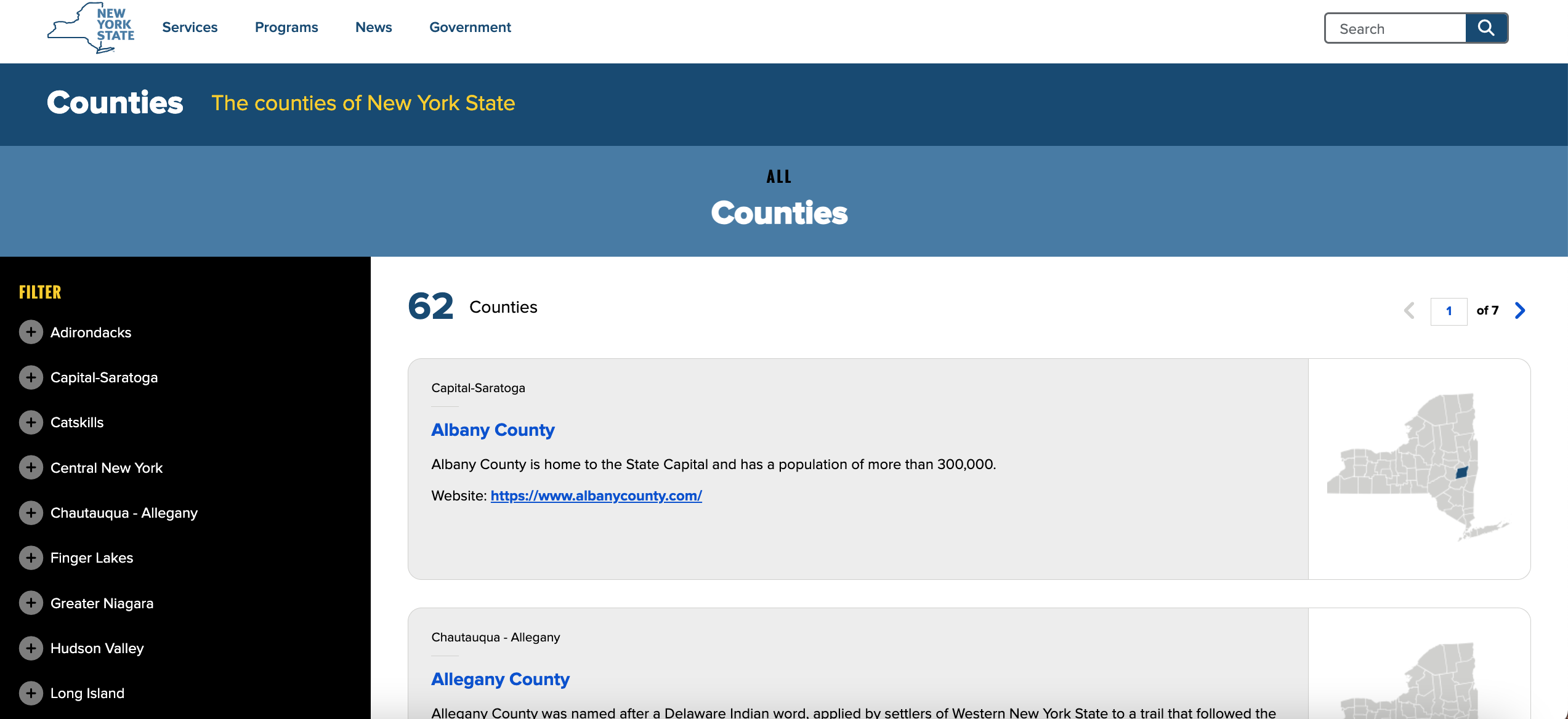
Here’s an example of sites organized by country in the New York State:
When searching through public records, focus on key data such as the owner’s name, property description, transaction history, and any liens or mortgages. This information can help paint a clearer picture of the people behind the real estate landscape within your community.
2. Social media insights
Don’t be surprised to know that social media platforms like Facebook and Instagram can be great tools for discovering the person behind an apartment or a building. In fact, many people share significant life events, such as home purchases, renovations, or new neighbors, on their social media accounts. By following local community pages or individuals, you might glean information about someone’s owned homes, lands, or other real estate, indirectly.

Participating in local community groups on platforms like Facebook can also be beneficial. These groups often discuss neighborhood happenings and local businesses and can provide insights into who owns that apartment on the 10th floor, as an example. So, engaging in these discussions can lead to organic sharing of information without appearing intrusive.
Pay close attention to posts that feature new home improvements or related events, which often reveal ownership. People frequently tag their new homes or share photos of their neighborhoods, offering clues about who owns which properties.
3. Property tax records
These are public documents that show the assessed value of a house, apartment, or land, the owner’s name, and the amount of taxes owed. These records can provide a wealth of information about the real estate ownership and are usually available through your local tax assessor’s office.
To find property tax records, visit your local tax assessor’s website or office. Many areas have online databases where you can input an address to locate the corresponding tax records. It’s a straightforward way to learn about someone’s owned goods, while also understanding local tax responsibilities.
Also, these records can offer insights into the ownership duration and any changes linked to the person behind it. This data can highlight trends in property values in your neighborhood, helping you understand the local real estate market better.
4. Networking with real estate agents
Real estate agents are well-connected individuals who often possess extensive knowledge about owners of buildings or other real estate in the area. For that reason, forming relationships with local agents can provide you with a wealth of data about who owns various properties, especially if they are involved in the buying or selling process.
When networking with real estate agents, consider asking questions about recent transactions, property market trends, and specific ownership details. Agents are often willing to share information, especially if they perceive your genuine interest in the neighborhood.
Using the expertise of real estate professionals can save you time and effort while also providing you with a broader understanding of the market dynamics at play.
5. Neighborhood associations
Many neighborhoods have associations that focus on community engagement and improvement. So, joining these associations can provide you with a platform to connect with your neighbors, gain insights into landowner contact details, and stay informed about local issues.
Neighborhood associations often maintain records of property owners within the community. This data can be shared during meetings or through newsletters. Engaging actively within the association can lead to informal yet valuable conversations about who owns a certain real estate in your area.
By fostering relationships with fellow association members, you can gather more information. People are often willing to share their experiences and knowledge, helping you piece together a clearer picture of property ownership in your neighborhood.
6. Online mapping tools
Online mapping tools such as Google Maps, Zillow, or local GIS (Geographic Information Systems) websites are excellent resources for discovering information about people behind commercial or personal real estate. These platforms often provide detailed information about properties, including boundaries, assessments, and ownership history.
To use these tools effectively, enter an address or search for your neighborhood. Zoom in on specific properties to view their details, including associated information like sale history and current ownership. Each platform may have unique features, so it’s worth exploring multiple options.
Using online mapping tools can help you visualize property lines, which can lead to questions about ownership. Thus, the tools that provide ownership details can be particularly useful for confirming ownership claims.
7. Local property databases
Many counties and municipalities maintain databases that are accessible to the public. These databases can include information on the person who bought a piece of land or a house, for example. But also, that could include tax assessments, zoning, and history.
To search for properties, visit your local government or county website, where these databases are typically hosted. Use the search functions available to type in specific criteria, such as building type, ownership details, or location. Familiarity with the database layout can enhance your search efficiency.
When reviewing database information, pay attention to the nuances, such as transactions, historical ownership data, and any legal documents related to the land or home.
8. Community engagement events
Community engagement events such as block parties, local fairs, or town hall meetings can provide excellent opportunities to network and gather information about property owner information. These informal gatherings allow residents to interact and share information in a relaxed setting.
During these events, take the initiative to strike up conversations with neighbors. People often enjoy discussing their homes and experiences, which can lead to candid discussions about owned real estate. Thus, building rapport can create a comfortable atmosphere for sharing information.
Listening attentively during conversations can reveal hidden details. For example, neighbors may mention renovations, property purchases, or changes in ownership that can provide you with clues about local properties.
9. Homeowner association directories
A homeowner association (HOA) directory is a list of real estate owners within a specific community governed by an HOA. These directories often include the investor’s contact information and details that can offer insights into ownership.
Accessing the HOA directory is not that complicated. Many associations provide digital copies on their websites or offer printed versions at community meetings. If you’re unsure, reach out to your HOA representatives to inquire about availability.
The HOA directory can serve as a resource for networking and gathering property ownership information. Understanding the structure of your community can also foster connections and conversations with fellow residents.
10. Local government websites
Your local government’s website is a treasure trove of information to look up the property owner by their address. These sites often house databases, public records, and other valuable resources that can assist you in your search.
Explore sections related to property assessment, zoning regulations, and public records. These resources can provide insights into more details as well as trends in your neighborhood. Many municipalities have user-friendly interfaces to help you navigate easily.
Take time to familiarize yourself with your local government’s website. Utilize search functions and try the layout to locate the information efficiently. Bookmarking relevant pages can help streamline your research process.
Conclusion
It’s not that hard to find out the information linked to what someone owns as properties in the US. That doesn’t matter if it’s commercial or personal; you can search for these details by address or name or even ask a professional to do that for you. It’s all about using the right tool in the right place. You can successfully gather information about properties owned by friends or neighbors. Each method has its unique advantages and can be used in tandem to build a comprehensive understanding of real estate owners in your area.
FAQs
What are the best resources to check who owns a property?
The best resources include public records, property tax records, local government websites, and neighborhood associations. Online mapping tools and real estate databases also provide valuable insights.
Is it legal to search for house ownership information?
Yes, it is legal to search for that information as most of it is public record. However, respect privacy and avoid intrusive inquiries.
How can social media help in finding the information?
Social media can reveal what properties someone owns indirectly, through posts, videos, photos, and community engagement. Joining local groups can provide additional insights.
What if I cannot find the information I need?
If you’re struggling to find specific ownership information, consider reaching out to local real estate agents or attending community events to network and gather insights.
Can property information change frequently?
Yes, these details can change frequently due to sales, inheritances, or transfers. So, regularly check public records to keep you updated on the actual and previous owners of homes in your area.
